
Disruptive innovation? or copyright violation?
I’ve become an armchair expert on copyright over the years – partly from sheer 🤓, and partly because my edtech work required me to teach faculty and students how to stay on the ethical side of copyright in a world where copying was so easy (and the fines so astronomical).
Part of my interest lies in the conflict between the very real need to protect a creator’s work and the just-as-real need to protect the public interest. In some cases copyright has been leveraged as a weapon to protect big business in ways that work against the public good. (Not cool, Disney.)
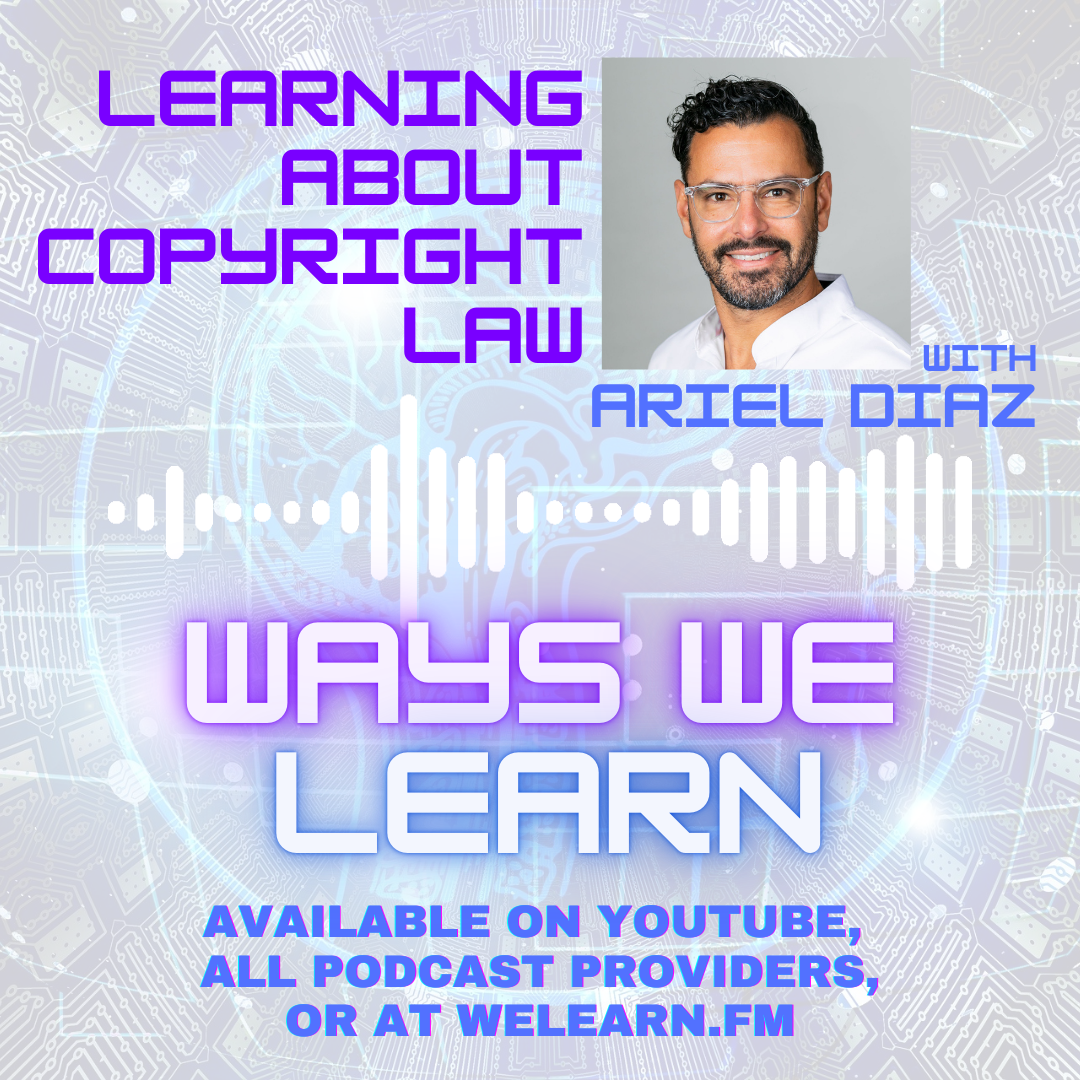
So I was fascinated to learn about Ariel Diaz‘s slightly different approach to copyright in his business Boundless Learning. “Slightly different,” as in throwing a big 🖕 to the big publishers by undercutting their pricey textbook model with open-source material. He hoped, as he tells it, to challenge the monopoly on textbooks that costs students an arm and a leg every semester.
Spoiler alert: yes, of course he got sued.
It’s an amazing story and well worth a listen (in audio or video or wherever you get your podcasts).
Whether or not you listen, think about this: what are your thoughts about the big business side of copyright? What should be the line between copyright and competition – the actual language, the order of topics, the general ideas, or something else? And get in touch if you just want to chat about copyright use, especially as it pertains to fair use in schools or business. I really do love geeking out on this stuff!

Disruptive innovation? or copyright violation?
Tags: