

Are your best intentions sabotaging your presentation? 😬
You’ve got such great information for your audience. You spent all week putting together your masterpiece of a deck.
So why does it feel like you’re losing them? And [gasp] was that a YAWN? 😱
Here’s the thing: sometimes when we try to help our audience learn, we end up working against ourselves!
A brain’s ability to ingest new information is limited. Not by storage capacity — that’s essentially unlimited — but by the bandwidth of working memory.
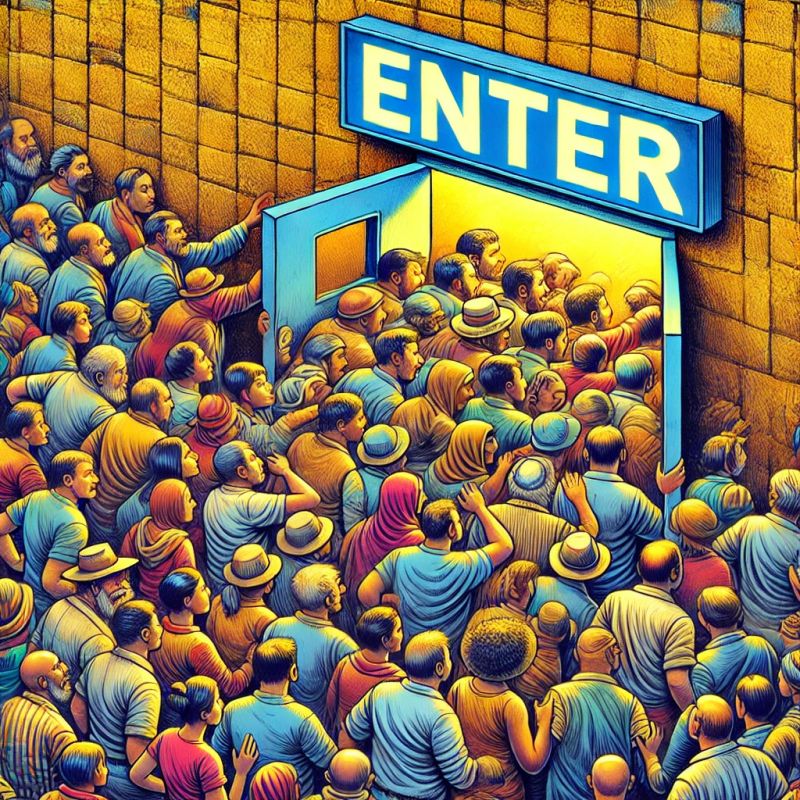
Think of your brain as a concert arena the size of, say, North America! (So much space!) But it has only four outside doors! (Should have hired a different architect!)
It’ll take a while for everyone to get inside, and if they all try at once it’ll be a mess. But there’s room for a HUGE number of people once they get in!
When you design a presentation for optimal learning, think about the door to that arena. That’s your audience’s working memory: a tiny opening to a huge arena.
😎 What’s the optimal way to get information through in an orderly fashion?
⏱️ Will you have to rush to fit it all in?
🤪 And are you including anything distracting that slows down access to that door?
Don’t just overload the presentation, thinking more information will help people remember.
More. Is. Not. Better.
~~~
Sorry, no solutions in this post, just the problem!
My next few posts will be on the topic of how to design presentations for optimal learning. I’ll channel some takeaways from cognitive science and education into actionable tips that will help you create presentations that stick!
So: subscribe for more posts on this topic, or let’s talk if I can help you create better presentations and more enduring learning!